


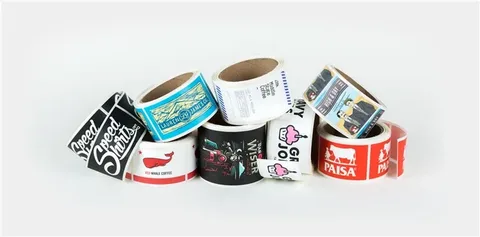
Packaging plays a big role in product presentation. Many brands look for simple ways to improve their look. Die-Cut Roll Labels offer a clean and flexible option for this purpose. They help products stand out on shelves and online stores. These labels come in many shapes and sizes. They can fit different business needs with ease. Small shops and large companies both use them for branding. The process of using them is simple and practical. They work well on bottles, boxes, and bags. Many businesses choose them to create a more professional feel. This article explains how they work and why they matter in daily use. Many readers also want to understand material choices and printing methods before selecting the right label style for their products and business goals.
Material Choice
Brands often start with the material when they design packaging labels. The material decides how long a label will last and how it will feel in the hand. Some businesses prefer paper finishes for a soft look. Others choose stronger materials for daily use. In many cases, custom die-cut stickers give more freedom in shape and style. They can match product themes and improve shelf appeal. The right material also helps printing look sharper and clearer. Good material choice supports both design and durability. It also helps the label stay strong in different storage conditions and handling environments.
Print Care
Print quality plays a major role in label performance. Sharp printing helps customers see details clearly. It also improves trust in the product. Many companies invest in better printing methods for long-term use. Good ink and machines reduce fading over time. In bulk production, printed die-cut label stickers Wholesale options help businesses save costs while keeping quality stable. These solutions support large orders without losing detail. Color balance is important for brand identity. Clear printing also improves readability on small surfaces. Careful printing choices make the final product look more professional and consistent across different packaging types.
Design Flow
Design work decides how a label will connect with customers. Simple layouts often work better than complex ones. Clear shapes and colors make the message easy to understand. Many brands test different styles before final printing. In this stage, custom vinyl die-cut stickers help create strong and flexible design results. They allow smooth edges and clean finishing. Designers also focus on the balance between text and images. Too many elements can reduce clarity. A good design supports brand recognition. It also makes products more attractive on shelves. Careful planning at this stage saves time in later production steps and reduces errors.
Market Style
Different markets need different label styles. Some products need simple branding for daily use. Others need eye-catching designs to attract attention. Seasonal products often use better effects. In retail stores, visual appeal can increase sales. Many brands now use holographic die-cut stickers to create a shiny and modern look. These labels reflect light and stand out from normal packaging. They are often used for cosmetics and lifestyle items. The effect helps products gain quick attention from buyers. Choosing the right market style depends on the target audience. A clear understanding of customer needs helps in making better label choices for long-term success.
Order Ease
Ordering labels has become more flexible for businesses of all sizes. Small brands often need short runs for testing products. Large companies need bulk production for wide distribution. Today, suppliers offer flexible choices to meet both needs. In many cases, custom die-cut stickers with no minimum options help small businesses start without pressure. This allows them to order only what they need. It also reduces waste and storage issues. Flexible ordering supports creative testing and fast changes in design. Businesses can try new ideas without a large investment. This system makes label production more open and accessible for all types of users.
Use Tips
Applying labels correctly is important for the final product’s appearance. Clean surfaces help labels stick better. Dust or oil can reduce adhesion. It is important to place labels slowly and with care. Many users check alignment before pressing firmly. Temperature also affects application results. Very cold or hot surfaces can create problems. Good lighting helps during placement. It allows better visibility and accuracy. After application, pressing edges improves durability. Smooth application gives a professional finish. Taking time during this step reduces mistakes. It also improves overall product quality and customer satisfaction. Proper handling ensures that labels stay in place for a long time.
Brand Impact
Labels play a strong role in building brand identity. A clear and simple label custom stickers pro can make a product easy to remember. Customers often connect visual design with product quality. Consistent label design across products builds trust. It also helps a brand look more organized. Good labels create a strong first impression. They can influence buying decisions in stores and online. Many companies focus on small design details to improve recognition. Over time, this helps build loyalty among customers. A strong visual identity supports long-term growth. It also makes products stand out in crowded markets and competitive environments.
Conclusion
Die-Cut Roll Labels are an important part of modern product packaging. They help businesses improve design, quality, and brand identity simply. These labels work well for many industries and product types. They offer flexibility in shape, color, and material. Businesses can use them to create a stronger visual impact on customers. Good label choices can improve product value and customer trust. They also support better presentation on shelves and online platforms. In many cases, the right label design helps increase recognition and long-term success. Die-Cut Roll Labels continue to be a reliable choice for brands that want simple and effective packaging solutions that work in real business environments.