


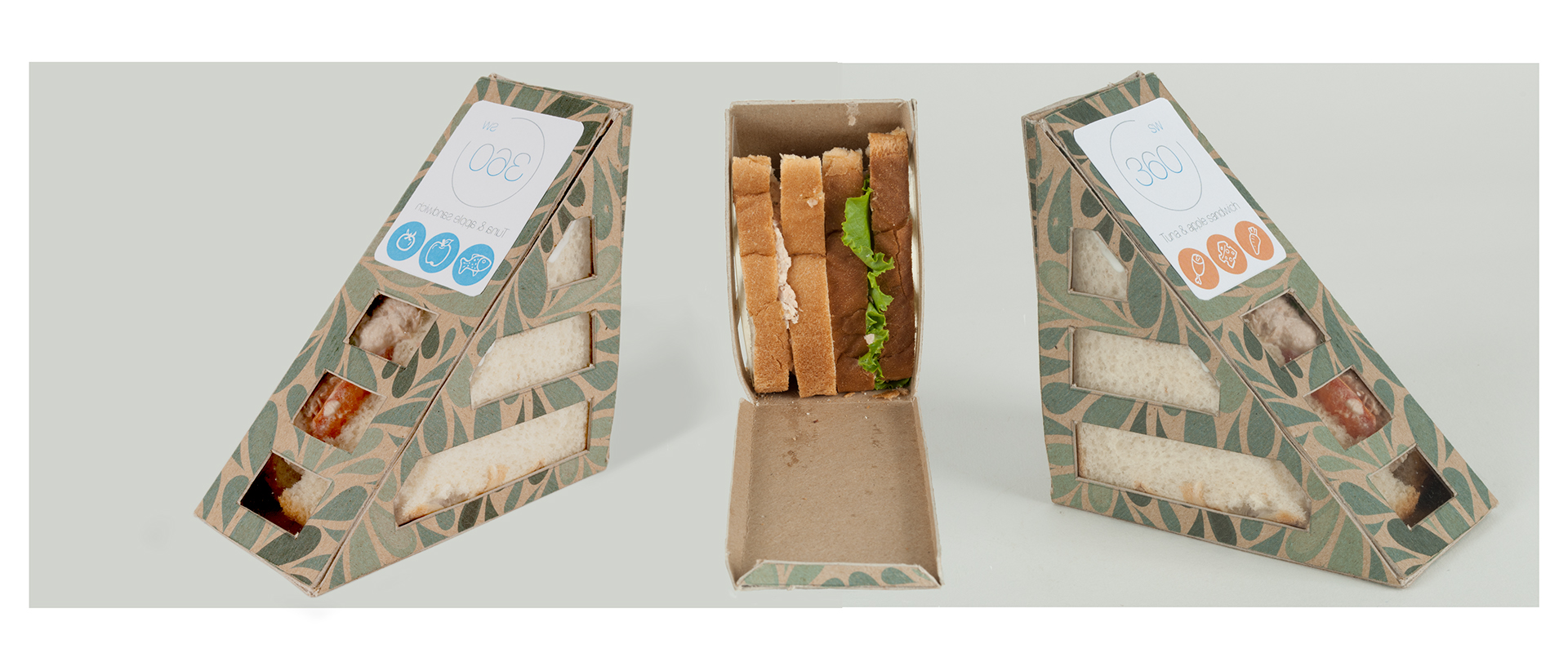
The custom sandwich boxes have become more than mere food boxes, and they are convenient, sturdy and environmentally friendly. The custom sandwich boxes are environmentally friendly and are designed to shield the food, besides providing an attractive appearance to packaged food, whether to be taken out, delivered, or to be sold. Production is done only through the selection of materials, the development of design and manufacturing with efficiency in a balance between functionality and quality.
From small local cafes to large-scale food distributors, knowledge of how these boxes are manufactured enables the businesses to make better decisions, build better brand awareness and ensure product safety. Well-made boxes improve customer experience and respond to the emerging trends in foodservice markets of responsible and dependable packaging solutions.
Methods of Material Selection
Eco-loving sandwich boxes are based on the material selection. The Kraft printed sandwich boxes are popular due to their strength, durability and natural look. These materials are light in weight and strong enough to provide great protection for sandwiches when on transit. The choice of the cardboard depends on the thickness, rigidity, and moisture resistance, which are of central importance to the preservation of food. The suppliers also select paper sources and coatings very carefully to maximize the barrier properties without curtailing the recyclability. The choice of the material will influence the cost to produce and the functionality of the material, and it is important that manufacturers consider the quality, sustainability, and practicality of the sandwich boxes packaging.
Design and Structural Planning
Production of a sandwich box involves effective planning in designing it. Boxes are designed to accommodate various sizes of sandwiches, and this makes them stable when stacking, as well as during transport. The designs can be in the form of folding flaps, locking tabs, or window cutouts to enable them to be used, and at the same time not undermine the integrity. The cardboard sandwich boxes are designed to be assembled easily so that there is less wastage and to maximize space during transportation. The printing possibilities and branding opportunities also depend on the structural design that enables businesses to produce visually attractive packaging that meets the needs of their business operations, and at the same time, the packaging should be functional and easy to manipulate by consumers.
Printing and Branding Process
The incorporation of branding features enhances marketing effects and still upholds useful features. Custom sandwich boxes with logos enable companies to convey the identity, generate recognition and strengthen consumer confidence. Printing can either be flexographic, digital or embossing to produce high-quality images without turning the natural features of the material eco-unfriendly. Logos and designs can be well placed to be readable and appealing to the eye, even when they are folded and stacked. The presentation of branded sandwich boxes not only enhances the customer experience but also acts as a minor marketing instrument of foodservice companies by incorporating functionality, visibility, and professional presentation in each order to go.
Cutting and Folding Methods
The sandwich boxes are produced through cutting and folding, which is needed to create dependable ones. Die cutting machines are also complicated to ensure the dimensions are perfect, thus removing errors and wastage of resources. Packing Take away sandwich boxes are filled to make strong edges and firm closures with the use of regular pressure and regular alignment. The proper folding makes sure that the box does not leak and that the structural integrity of the box is maintained even during the transportation or stacking of the box. It is concerned with crease positioning, corner sealing, and lid positioning, implying that the boxes can be assembled with ease by the staff and at the same time can be strong for the consumers, creating a professional and practical packaging solution to various foodservice environments.
Quality Control Measures
In the production of a sandwich box, quality assurance is necessary. Each batch is inspected to ascertain material consistency, folding accuracy, and accuracy of printing. Single sandwich boxes are put to the test so that they can be assured that they can hold the ingredients without collapsing or leaking. Checks are also made in dimensions, effectiveness of closure and resistance to moisture. Strict quality control measures will ensure every box is of the same standard and will offer the same customer experience. Good production will ensure the food and improve the brand image, lessen the returns or complaints, hence quality control is another critical process of eco-friendly sandwich box production.
Packaging and Distribution
Packaging and delivery of sandwich boxes through efficient packaging and shipping make the tasks of manufacturers and food companies easier. Wholesale orders of sandwich boxes are packaged and shipped in bulk to protect them during transit. Effective packaging reduces deformation, guards printed designs and ensures that the product is ready to be used immediately on delivery. Distribution plans take into account storage capacity, stacking and delivery schedules that minimize the number of handling errors and damages. Considerate distribution planning is used to make sure that the businesses will get durable, ready-to-use boxes that retain their quality and look, so that the operations can go on without problems, and the overall customer experience may be improved.
Market Adaptation Strategies
The current production of sandwich boxes responds to the varying market needs such as personalizing, branding and flexibility in operations. Foodservice companies are in pursuit of different custom boxes in canada that accommodate various requirements, such as fast-food takeaways up to sophisticated sandwich delivery. Manufacturers dwell on the creation of flexible sandwich bags, which facilitate the packaging of various types of sandwiches, marketing campaigns, and eco-marketing. Remaining receptive to market trends will see to it that production tactics keep up with the consumer tastes to enable companies to provide packaging that is consistent with the environmental objectives, efficiency of operations and brand differentiation. Design and production flexibility ensure that they keep up with the competition in foodservice.
Conclusion
Custom sandwich boxes are no longer mere protective boxes; they are consumer-satisfaction, sustainability and branding tools. The environmentally conscious custom sandwich boxes are custom-packaged using quality material, well-designed branding, and strict quality control to provide convenient and attractive packaging products. Individual boxes for wholesale orders, the production process is such that it establishes durability, usability and appeal to the market.
Companies that embrace such boxes have increased brand awareness, efficiency of operations and customer confidence. Selecting high-quality sandwich boxes will show the focus on quality, creativity, and a social and ecological conscience, turning the experience of food packaging of everyday foods into a high and serious brand.