


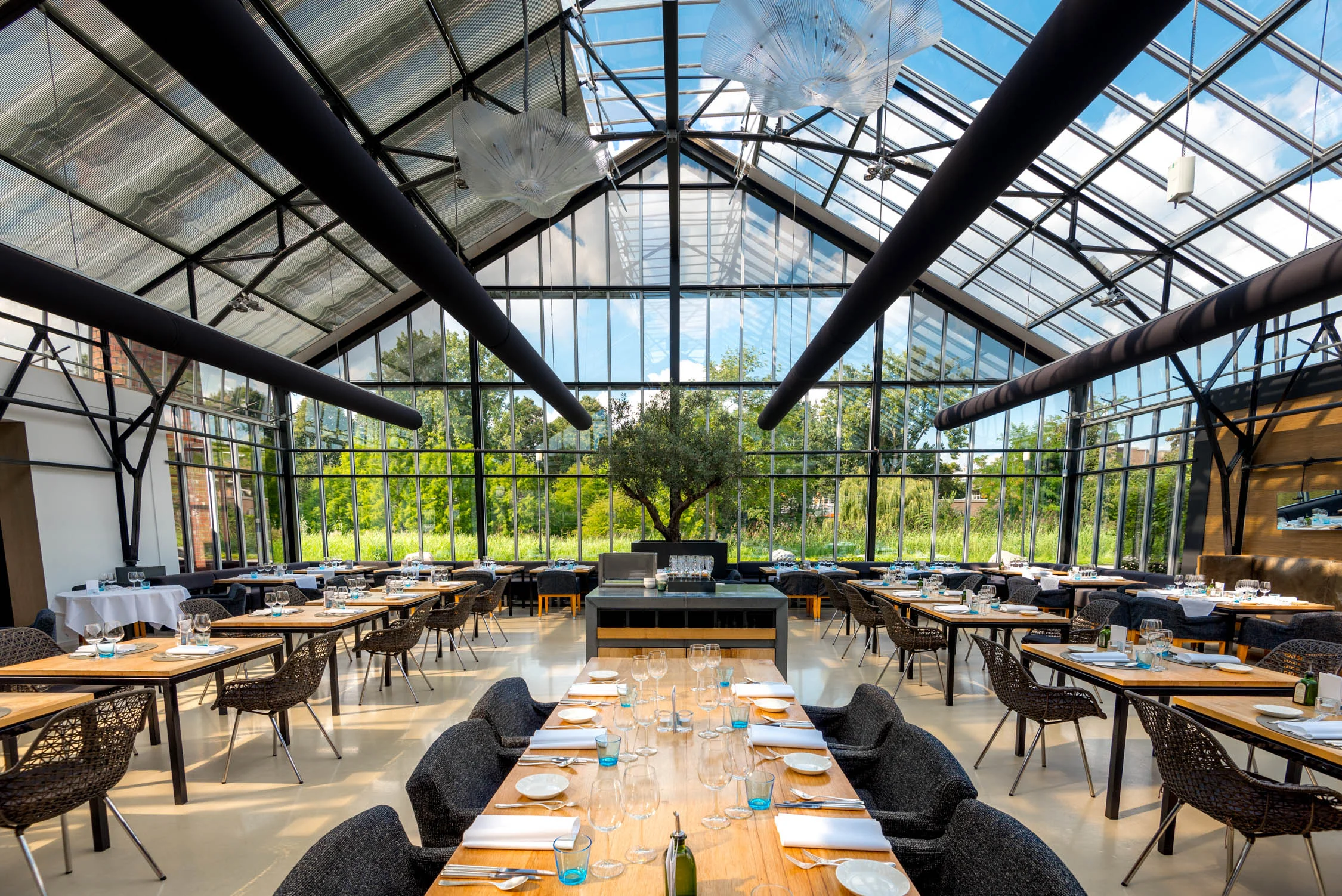
De Kas: A Masterclass in From-Plant-to-Plate Dining
Amsterdam is a city known for its historic canals and vibrant culture, but tucked away in the Frankendael Park is a culinary landmark that redefines the relationship between nature and the plate. De Kas, housed in a magnificent 1920s greenhouse, offers a dining experience that is as fresh as the soil it grows in.
Concept and Cuisine
The core philosophy of De Kas is centered on a simple yet radical idea: “Picked in the morning, served in the afternoon.” This commitment to ultra-seasonality is what defines their Concept and Cuisine. Unlike traditional restaurants that design menus months in advance, De Kas allows the harvest to dictate the plate.
The kitchen team works in tandem with their own urban gardens and a large farm in the Beemster region. The result is a plant-forward menu where vegetables are the undisputed stars. While high-quality meat and fish occasionally appear as supporting players, the creative focus remains on highlighting the textures and flavors of just-harvested greens, roots, and herbs. Every dish is a vibrant, colorful representation of the current micro-season.
Setting and Experience
Stepping into De Kas is an architectural delight. The Setting and Experience are centered around the primary 8-meter high glass structure, which allows diners to eat under the open sky while remaining sheltered from the unpredictable Dutch weather.
By day, the restaurant is flooded with natural light, creating an airy, botanical atmosphere. By night, it transforms into a glowing lantern amidst the dark greenery of the park. This transparency creates a literal and figurative connection to https://order.chuanfurestaurant.com/ the environment. Guests can often see the chefs walking into the adjacent garden to snip fresh herbs, reinforcing the authenticity of the “farm-to-table” promise.
Recognition and Influence
Since its inception in 2001, De Kas has garnered significant Recognition and Influence within the global food scene. It was one of the pioneers of the greenhouse-to-table movement long before “local sourcing” became a marketing buzzword.
The restaurant has been awarded a Michelin Green Star, a testament to its industry-leading sustainability practices. Its influence extends beyond its own walls; chefs from around the world look to De Kas as a blueprint for how to run a fine-dining establishment that respects ecological boundaries without compromising on luxury or taste.
Legacy
The Legacy of De Kas is one of transformation. It took a derelict municipal greenhouse slated for demolition and turned it into a temple of gastronomy. Over two decades later, it remains a “must-visit” destination for locals and travelers alike. Its lasting impact lies in proving that a restaurant can be both high-end and humble, rooted deeply in the earth while reaching for culinary excellence.
Would you like me to create a social media caption or a set of travel tips to accompany this article?